

Los Angeles Zoning & ADU Regulations: What Homeowners Should Know
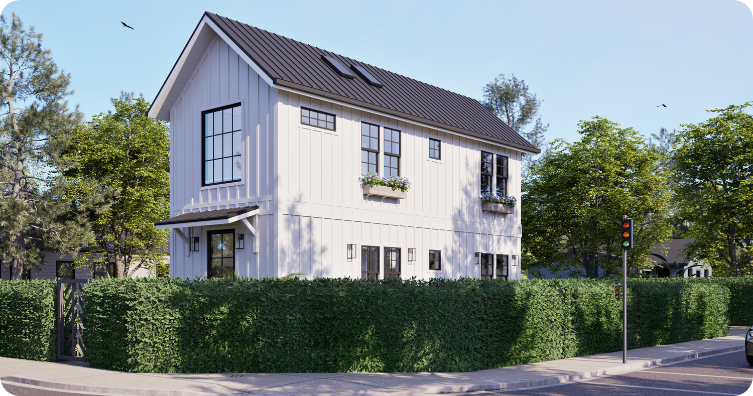
As more Los Angeles homeowners explore building an accessory dwelling unit (ADU), understanding local rules is the difference between a smooth permit and months of avoidable delays. In the City of Los Angeles, ADU standards come from a mix of California state law and local development requirements administered through LADBS and City planning rules. Here’s a practical overview of what typically matters most before you start designing
Zoning Eligibility & Units Allowed
In Los Angeles, ADUs are generally allowed in areas where residential use is permitted. Most single-family properties can pursue an ADU and may also qualify for a Junior ADU (JADU) depending on how the project is designed and where the space is located (such as within an existing structure)
Maximum ADU Size & Height Limits
California law sets broad allowances for ADU size (with many projects targeting up to the commonly used maximums under state rules), while local zoning and site constraints can influence what’s practical on a specific lot. Height limits can vary based on conditions like placement on the lot and other local overlays, so it’s smart to treat “height” as a design constraint you confirm early—especially on tighter parcels.
Setback & Yard Requirements
For many detached/new-construction ADUs, side and rear setbacks are commonly 4 feet under state rules, and conversions of existing structures can be treated differently than ground-up builds. The catch in Los Angeles is that site conditions (hillsides, irregular lots, and certain planning overlays) can introduce additional review considerations—even when state law is generous.
Parking Requirements & Waivers
Parking is one of the biggest “will this slow my permit?” questions in Los Angeles. LADBS notes that parking is not required for new ADUs if the property is within a half-mile walk of public transit, and that replacement parking is not required if covered parking is removed to build the ADU.
Permit Timeline & Review Process
State law generally requires a local agency to approve or deny a complete ADU application within 60 days—but missing items, incomplete plan sets, or unclear site utility information are common reasons that “60 days” becomes much longer in practice.
Special Conditions - Fire Zones & Historic Overlays
Los Angeles has neighborhoods where site conditions—like steep slopes, brush/fire concerns, and neighborhood-specific overlays—can add extra planning or building review steps. Treat these as “known unknowns”: confirm early if your property falls into a category that impacts access, materials, or design requirements.
Did you know?
LADBS notes that detached ADUs built from scratch must have solar panels (as part of applicable code requirements), which can affect roof design and budgeting—especially on smaller footprints.
Why These Rules Are Important for Homeowners
Los Angeles ADU rules are buildable—but the fastest path is usually the one that reduces variables: clear setbacks, no parking surprises, and a plan set that’s permit-ready from day one. Understanding the rules up front helps you design smarter, avoid re-submittals, and move from concept to permit with fewer headaches.
To explore permit-ready prefab ADUs designed for local compliance, visit our ADU models page.
FAQs
Can I avoid adding parking for my Los Angeles ADU?
Often, yes—parking isn’t required if your property is within a half-mile walking distance of public transit, and some other exemptions can apply.
Are fire sprinklers required in an ADU?
LADBS notes sprinklers generally aren’t required for the ADU if they aren’t required for the primary home (subject to code conditions).
How long should permitting take?
A complete ADU application is typically subject to a 60-day approval/denial timeline under state law, but incomplete submissions are a common source of delay.
Where do I start if I’m serious about building?
Start by confirming zoning/residential eligibility, then align the design to setbacks, parking exemptions, and utility access before finalizing plans.