

How to Build an Eco-Friendly ADU
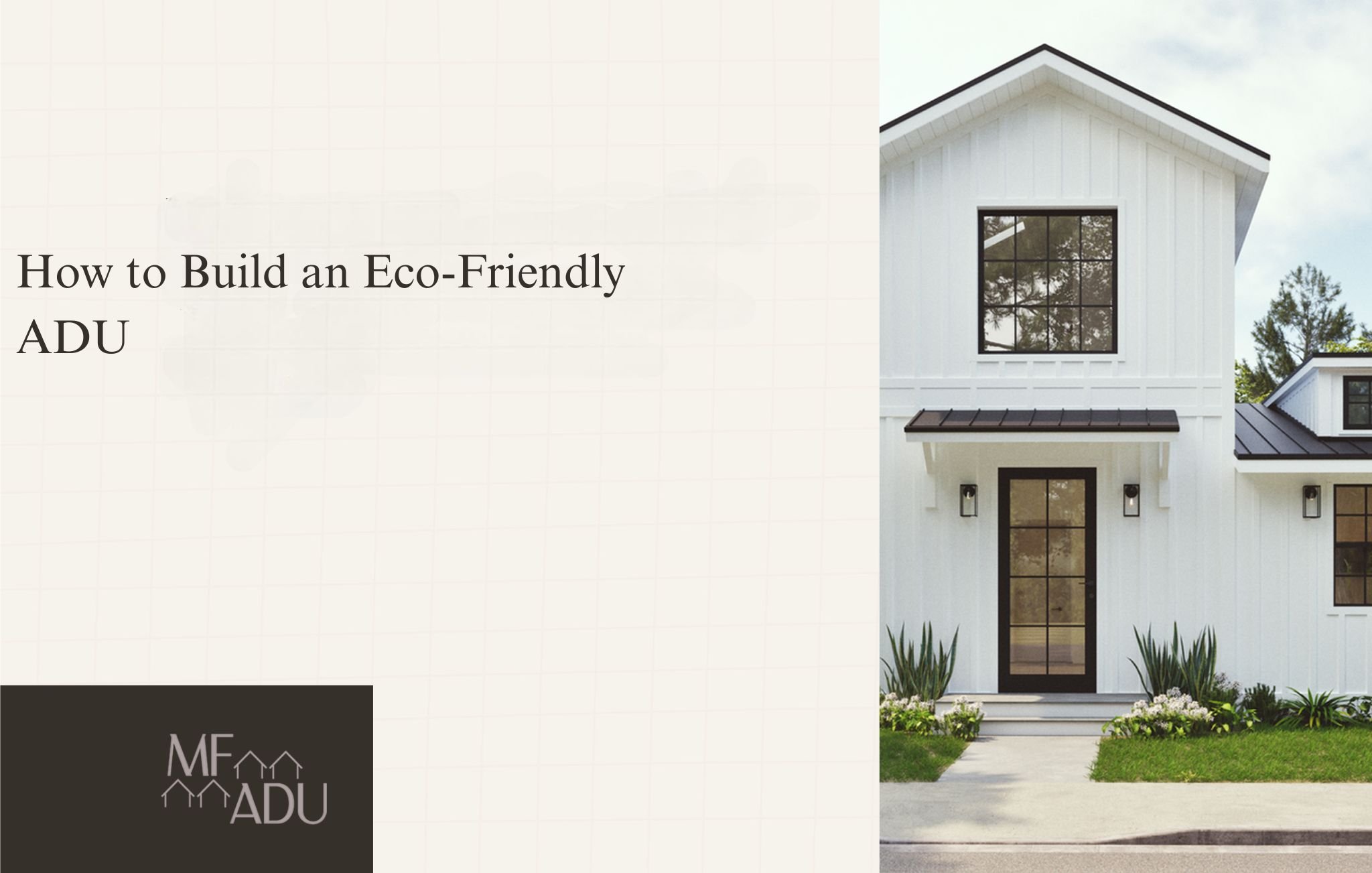
Building an accessory dwelling unit (ADU) is a smart way to add value to your property, but making it eco-friendly ensures that your investment is aligned with sustainability goals. Whether you’re looking to reduce your carbon footprint, save on utilities, or increase your property’s long-term value, an eco-friendly ADU offers numerous benefits. At MF ADU, we guide homeowners in designing and building energy-efficient ADUs that are good for both the environment and your wallet.
Why Build an Eco-Friendly ADU?
Eco-friendly ADUs offer both environmental and financial benefits. These homes use sustainable materials, energy-efficient systems, and water-saving technologies to minimize their ecological impact. Building green doesn’t just help the planet; it also reduces operating costs, increases property value, and may qualify for tax credits or rebates.
1. Use Sustainable Materials
One of the most impactful ways to make your ADU eco-friendly is by using sustainable building materials. These materials reduce waste, minimize resource consumption, and offer long-term durability.
Sustainable materials include:
Bamboo flooring for a renewable, durable option
Recycled steel for framing, which is both strong and sustainable
Cork or recycled wood for wall finishes and cabinetry
Low-VOC paints to improve indoor air quality
Recycled or reclaimed wood for unique, eco-conscious aesthetics
Choosing these materials ensures that your ADU’s construction minimizes harm to the environment.
2. Optimize Energy Efficiency
Energy-efficient features are a must when building an eco-friendly ADU. By incorporating energy-saving technologies, you can lower utility bills while reducing your environmental impact.
Energy-efficient strategies include:
Solar panels to harness renewable energy from the sun
Energy-efficient appliances like LED lights, smart thermostats, and low-energy washers/dryers
Proper insulation to maintain a comfortable temperature year-round with less energy consumption
High-performance windows to reduce heat loss and improve thermal efficiency
These features not only help reduce your carbon footprint but also make your ADU more affordable to operate in the long term.
3. Install Water-Efficient Systems
Water conservation is a key component of building an eco-friendly ADU. By using water-saving fixtures and appliances, you can significantly reduce water usage and save on your utility bills.
Water-efficient upgrades include:
Low-flow faucets, showers, and toilets to reduce water consumption
Rainwater harvesting systems to collect and use rainwater for landscaping
Native plants for landscaping, which require less water and maintenance
These solutions help preserve water resources while keeping your ADU efficient and sustainable.
4. Prioritize Natural Ventilation and Daylighting
Natural ventilation and daylighting are two strategies that reduce reliance on artificial heating, cooling, and lighting.
How to incorporate these strategies:
Strategic window placement to encourage cross-ventilation and cool down the space naturally
Skylights and large windows to maximize daylight and reduce the need for artificial lighting
Open floor plans to promote airflow and minimize the need for air conditioning
By maximizing the use of natural resources, you can create a healthier, more energy-efficient ADU.
5. Sustainable Waste Management
Sustainable construction practices extend to waste management. Reducing, reusing, and recycling materials during the build is essential for minimizing landfill waste.
Sustainable waste management practices include:
Recycling construction waste like concrete, wood, and metal
Reusing existing structures (e.g., converting a garage or shed)
Composting organic waste from the site
Taking steps to reduce waste during construction contributes to an overall eco-friendly approach.
Did you know?
Did you know? California offers financial incentives, tax rebates, and grants for homeowners who build energy-efficient ADUs or incorporate sustainable features like solar panels and water-saving systems?
Build Smarter with MF ADU
Building an eco-friendly ADU doesn’t just help the environment—it can also lower your energy bills, improve your home’s marketability, and reduce long-term maintenance costs. At MF ADU, we specialize in designing and constructing sustainable ADUs that meet your needs while aligning with your environmental goals.
Ready to create an eco-friendly ADU? Explore our sustainable ADU models and start your project today.
Frequently Asked Questions
What makes an ADU eco-friendly?
An eco-friendly ADU incorporates sustainable materials, energy-efficient systems, and water-saving fixtures to reduce environmental impact.
How can I save on energy costs with an eco-friendly ADU?
By installing solar panels, using energy-efficient appliances, and maximizing natural ventilation, you can significantly lower energy consumption.
Can I get rebates or incentives for building an eco-friendly ADU?
Yes. California offers financial incentives for incorporating green technologies like solar energy, energy-efficient appliances, and sustainable building materials.
What materials are best for an eco-friendly ADU?
Bamboo, recycled steel, low-VOC paints, and reclaimed wood are some of the top sustainable materials for building an eco-friendly ADU.
How does natural ventilation help make an ADU eco-friendly?
Natural ventilation reduces reliance on air conditioning, cutting energy use and creating a more comfortable living space without additional costs.